95–96
A story begins
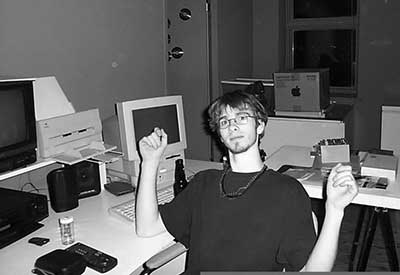
It all starts with a website called Frisson, created in 1995 on a free hosting platform. A help portal for programmers offering computer support — named after the founder's cat.
A journey that's far from over. DiLucas brings together projects we run in parallel — this is how it started, and where it's going.
DiLucas.com gathers a portfolio of projects we've carried forward over the years — sometimes in series, sometimes in parallel.
It all starts with a website called Frisson, created in 1995 on a free hosting platform. A help portal for programmers offering computer support — named after the founder's cat.
By 1997 Frisson hits 32,000+ monthly visitors and rebrands to Hot Frisson. In 1998 a new animation replaces the mouse arrow with a spiky cat's head.
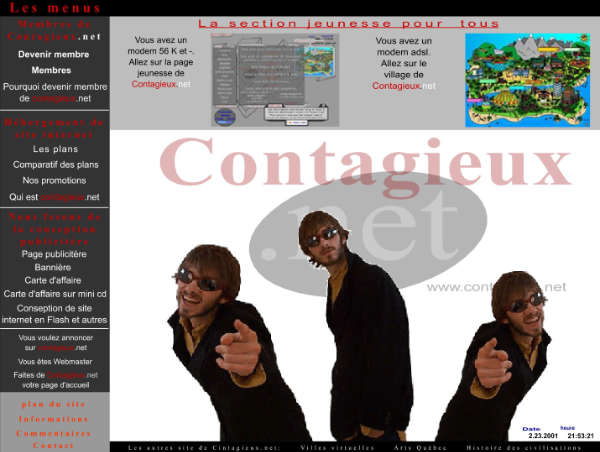
After leaving school, the founder creates Contagieux.net. The vision: an international company that can reach many people quickly through the internet. The name comes during a sick day — contagious, like a fast-spreading epidemic. Perfect.
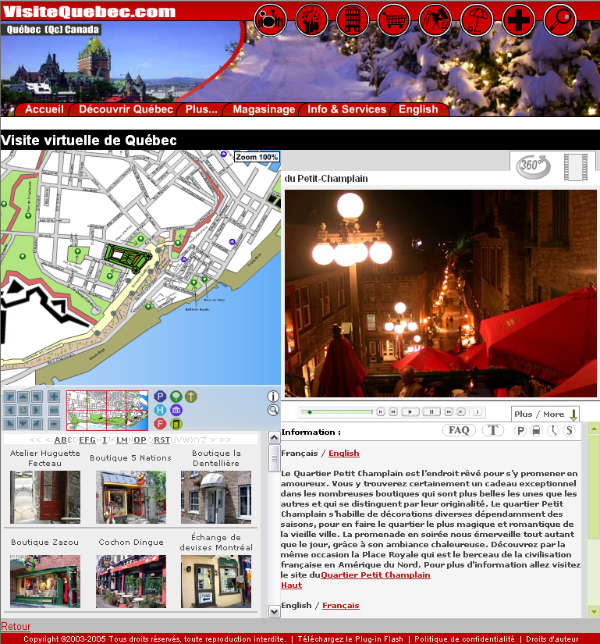
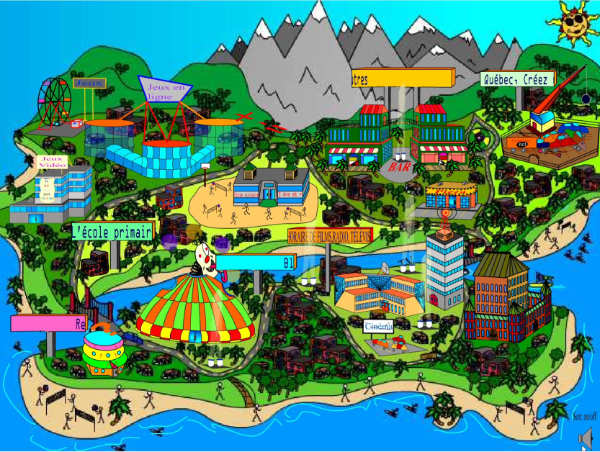
The idea: build the world's first online virtual cities — click on a map, walk through streets, enter shops, learn about products and buy them online. Plus the city's history, much more. The founder is 17. He's told to write a business plan and find seed money. He does. Months later, the answer: too far-fetched, too avant-garde. Today everyone calls this Google Street View.
An online sales site, Contagieux.net/Cars, is launched to fund the Villes Virtuelles project — modified auto parts at 30–60% off competitors. Almost no one sells parts online yet, and 95% of customers still order by phone.
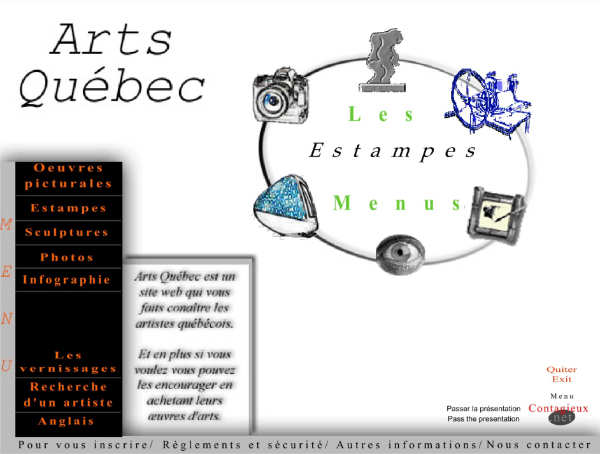
The Cars division is sold; Contagieux.net is incorporated. The proceeds fund Villes Virtuelles. In early 2001 we launch Diverticement.net, Art Quebec and History of Egypt. Diverticement.net is wild — cartoon design that requires 1 Mbit/s ADSL and a 233 MHz Pentium just to load. It hits 35,000 visitors/month despite the constraints.
The project falls behind, the dot-com crisis is hitting. We have to ship fast — 40+ businesses already pre-sold on virtual visits. A functional demo goes live.
While building Villes Virtuelles, clients keep asking us about marketing, advertising, photography and websites. We launch a full digital agency around the platform.
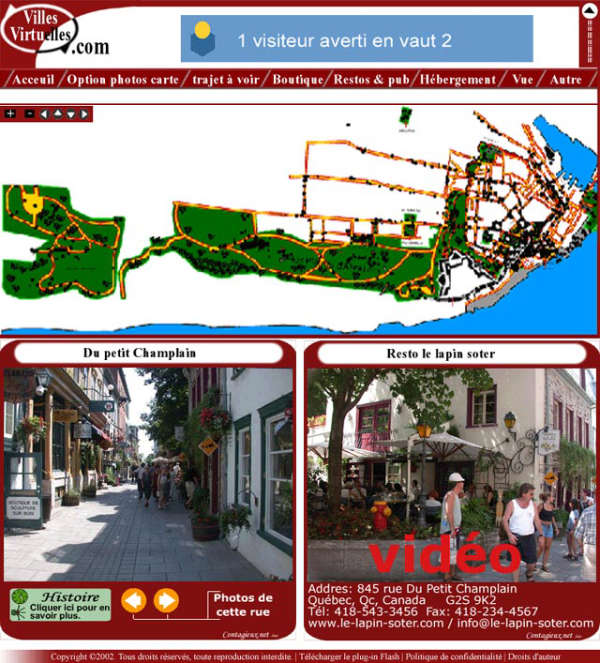
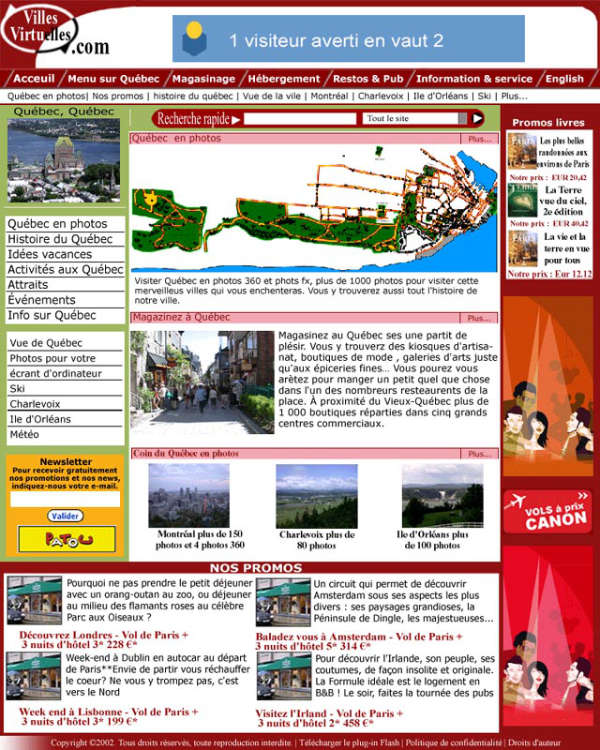
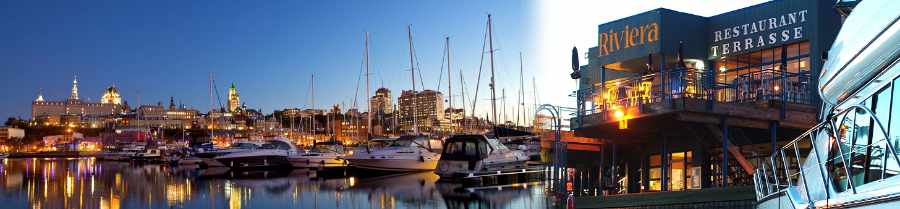
Official launch of VillesVirtuelles.com, the first of its kind in the world. Virtual tours of Old Quebec's streets and tourist parks, 40 businesses, 80+ historical landmarks, 50+ activity ideas with online flight & hotel booking, 2,000+ recipes, live weather, news.
VillesVirtuelles.com expands; Contagieux.net Inc. becomes a major advertising company specialised in restaurants. VillesVirtuelles becomes one of Canada's largest tourism portals by visual content — 30,000+ photos, hundreds of info pages.
Villes Virtuelles grows: small Quebec villages, Old Montreal, video capsules of businesses and tourist sites. The site welcomes thousands of new visitors every day.
Contagieux.net joins forces with Boite Bleue Inc. to specialise in internet marketing and development. Ottawa and Toronto are added to VillesVirtuelles, which crosses 2 million annual visitors.
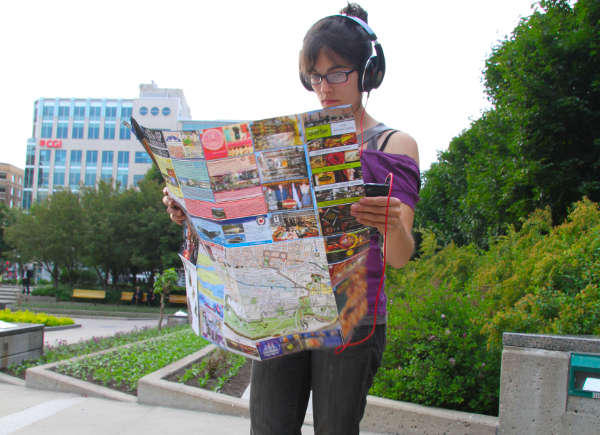
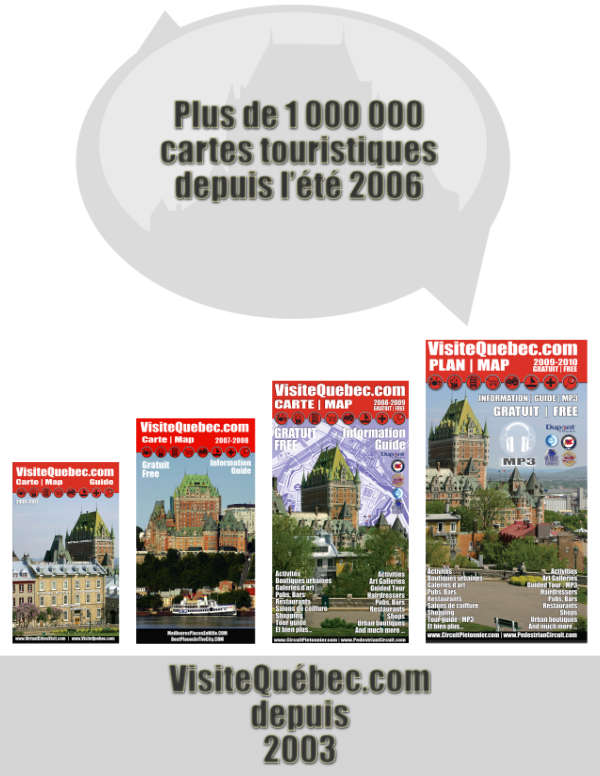
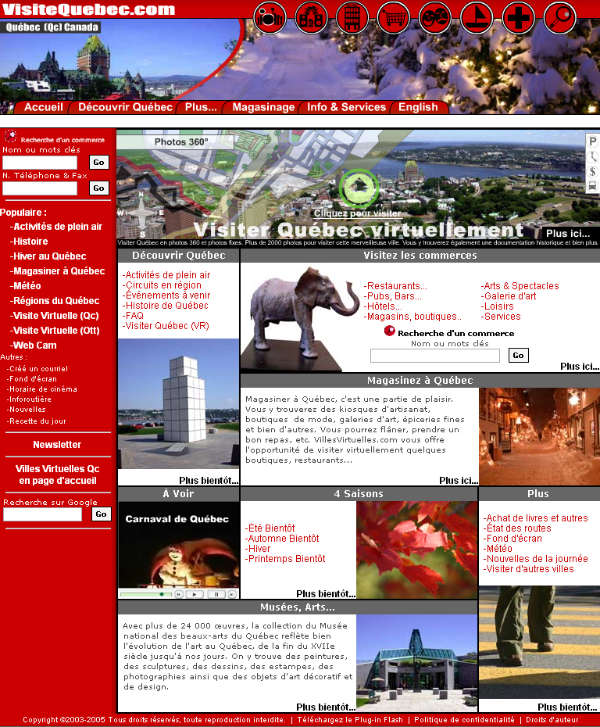
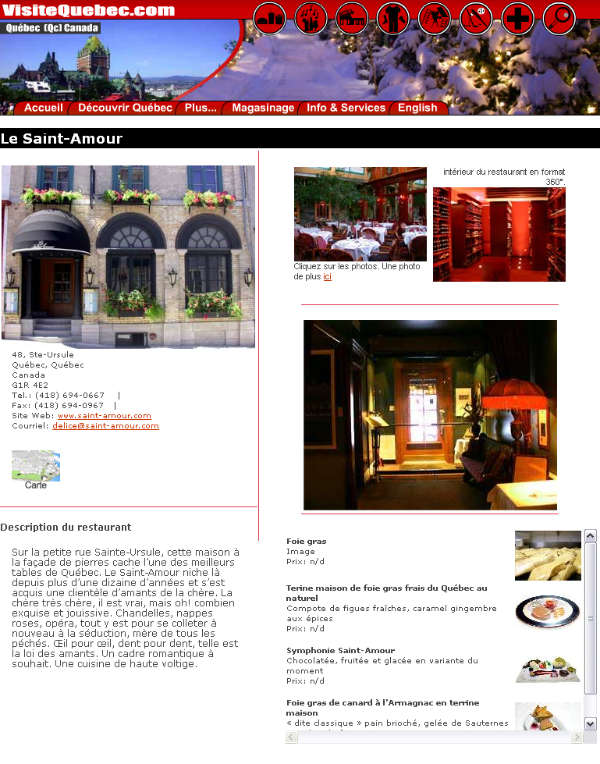
VV signs a contract with a large communication agency promising exponential growth. The biggest commercial contract ever is signed — Mont-Tremblant becomes virtually visitable. Boston, New York and many Maine villages get added. VisiteQuebec.com launches with a large-format tourist map; tens of thousands of copies clear in weeks.
A new foundation is born to help dyslexics. After months trying to design a new specialised education system with teachers and speech therapists, we conclude the system is too costly and slow to set up. The foundation pivots to raising awareness, celebrating dyslexic success stories and signposting support services.
After months of hard work with the new agency, no money comes back to the parent company. We're close to closing — but a settlement terminates the contract with compensation and we recover quickly.
Contagieux.net Inc. creates See Your Hotel — a brand-new accommodation booking system that, for the first time, shows hotel locations on an interactive map. Sold to a partner the same year. Today this is everywhere.
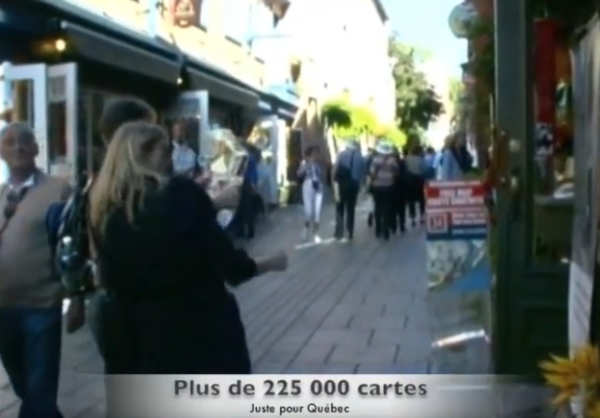
VisiteQuebec.com becomes Quebec's #2 distributor of private tourist cards — 350,000 distributed in 4 months, carried by AML, Tours du Pont, Tours du Vieux-Québec… It is considered revolutionary: colour-coded zones, best-photo spots, suggested tours, neighbourhood histories. The format is later copied worldwide.
Visite Québec also begins co-developing, with Le Maurice's owner Denis Pelltier, a tourism technology that uses Pocket-PCs and Wi-Fi hotspots.
Google launches Street View — competing as a small studio is impossible. We wind down 360° tour development in Philadelphia after 20+ tourist sites and 1M+ photos taken across the East Coast.
Apple ships the first iPhone, ending our Pocket-PC tourism app. The project survives only as a demonstrator.
Contagieux.net hands its agency clients to Boite Bleue and refocuses on its own marketing.
VV launches the world's first interactive-video virtual tour — something Google can't reproduce quickly. Bandwidth-heavy and slow to produce, but until recently nothing equivalent existed.
Visite Quebec releases a free downloadable mp3 audio guide, downloaded over 30,000 times at launch.
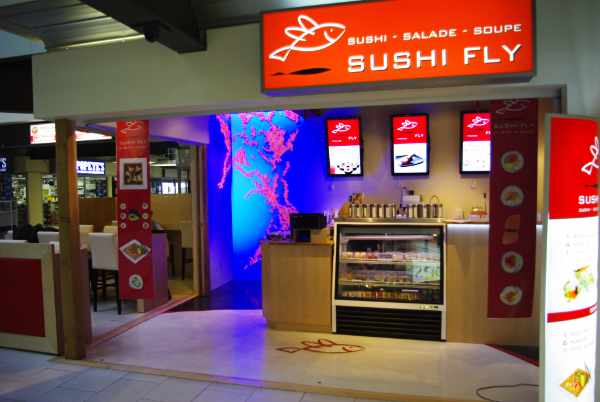
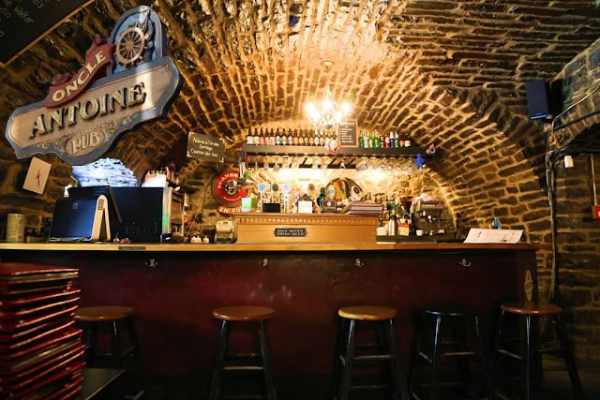
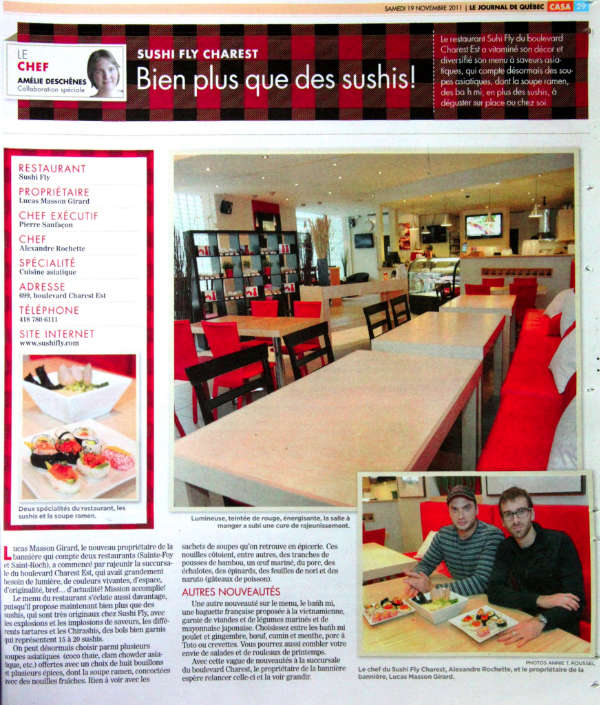
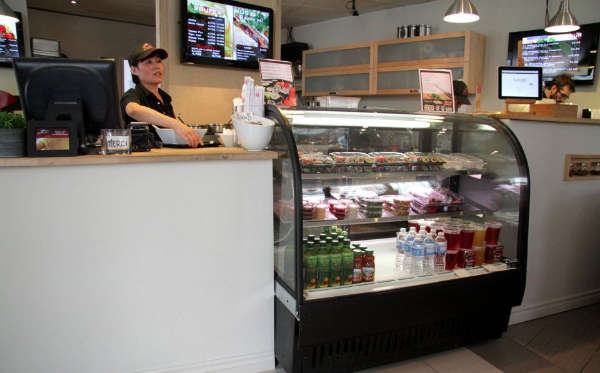
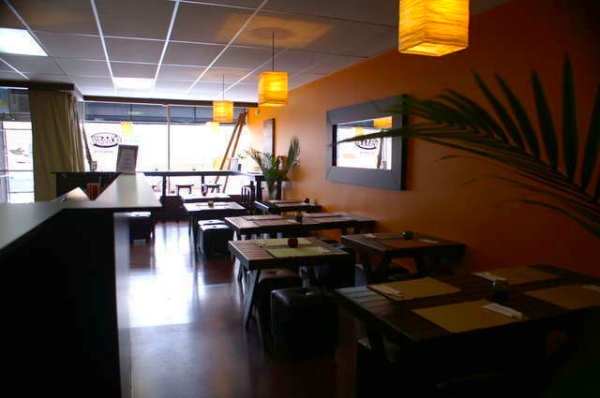
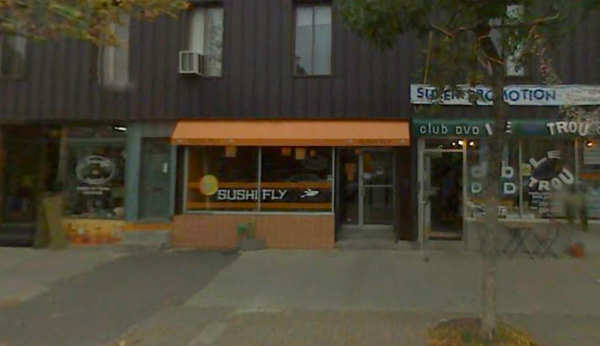
Takeover of the Sushi Fly banner — one of Quebec's biggest sushi banners in the 2000s — plus a stake in three restaurants and one pub in Old Quebec.
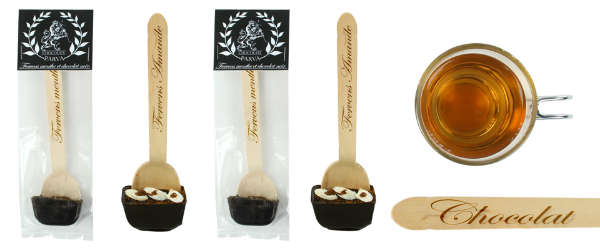
A new sushi restaurant opens at the Sainte-Foy Pyramid. A new chocolate factory opens in Nouvo Saint-Roch.
Founding of 44resto — services for restaurateurs, with a flagship offer of buying and reselling restaurant equipment at low prices. Several restaurants and stakes in Old Quebec are sold off.
44resto and the Sushi Fly restaurants are sold; two of the Sushi Fly locations are renamed Ogarisan.
The last VisitQuebec.com tourist map is printed — over 1,750,000 distributed in 6 years. The 2008 crisis is hitting Quebec tourism, and we exit before it gets worse.
VillesVirtuelles.com closes after 10+ years and millions of visitors.
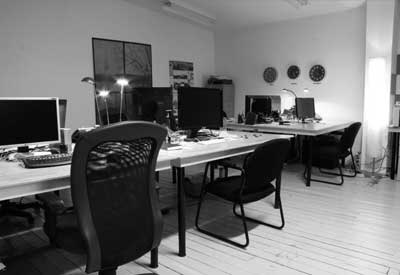
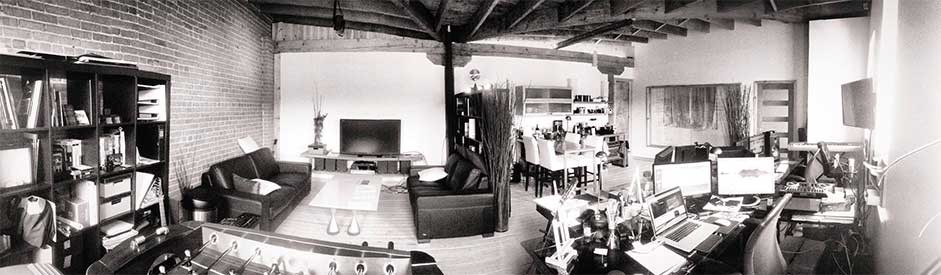
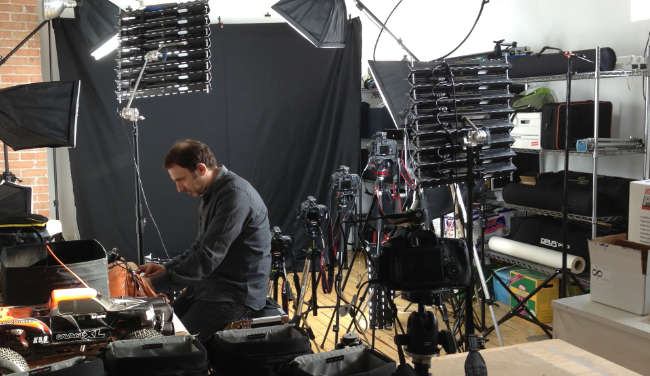
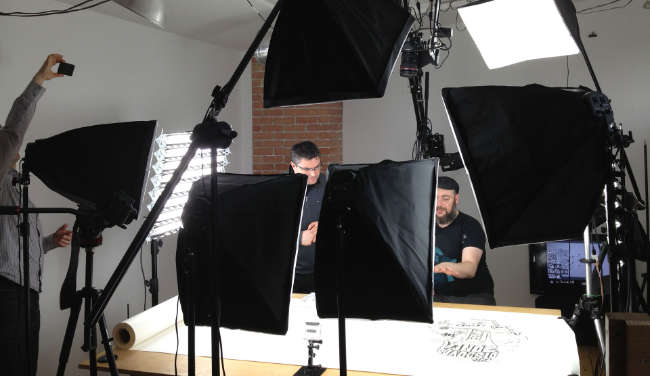
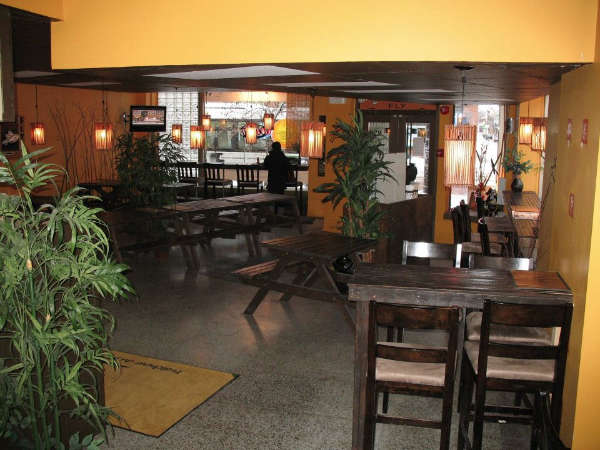
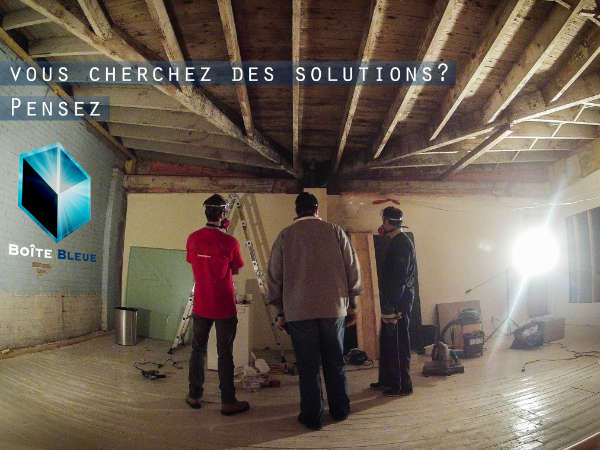
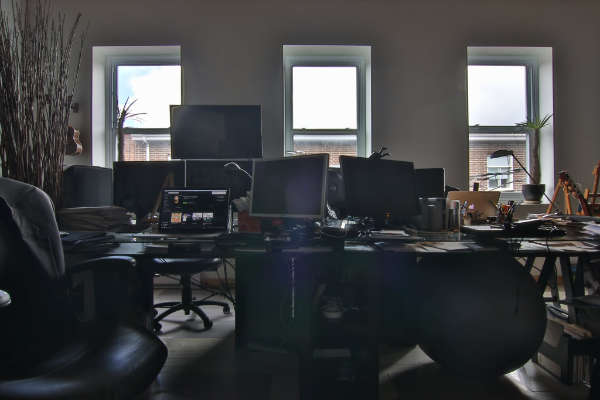
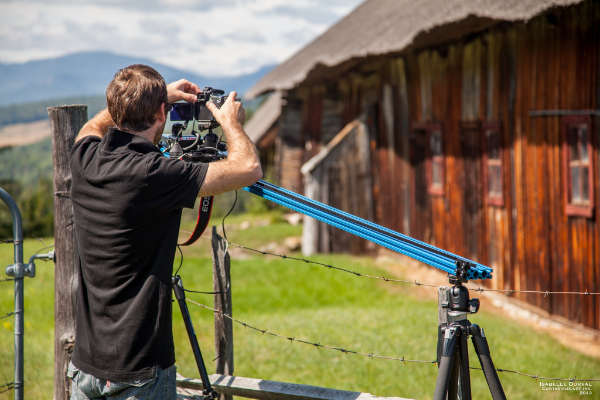
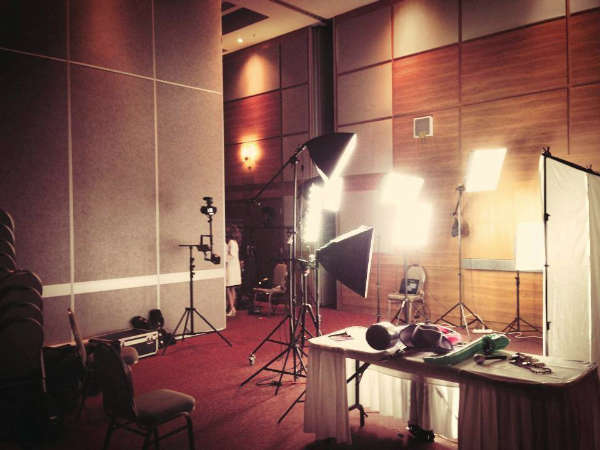
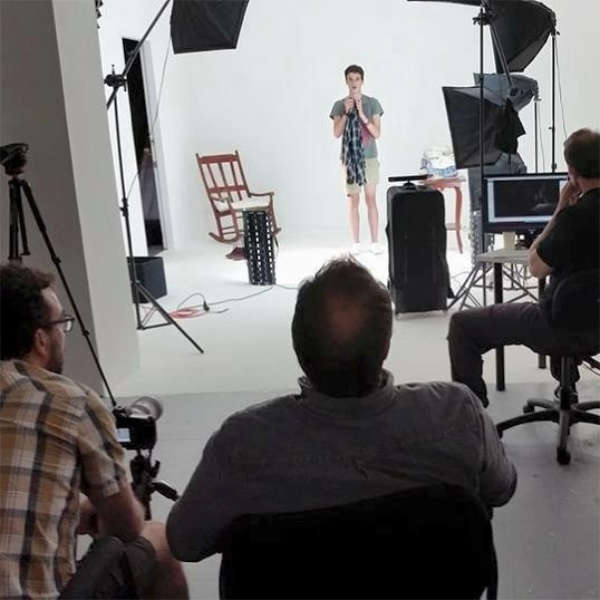
Boite Bleue invests in new photo and video equipment to diversify services. The offices are renovated with a dedicated photo & video studio.
The group develops new relationships to expand into Asia. We launch Royalty Free Club, offering thousands of photos and textures.
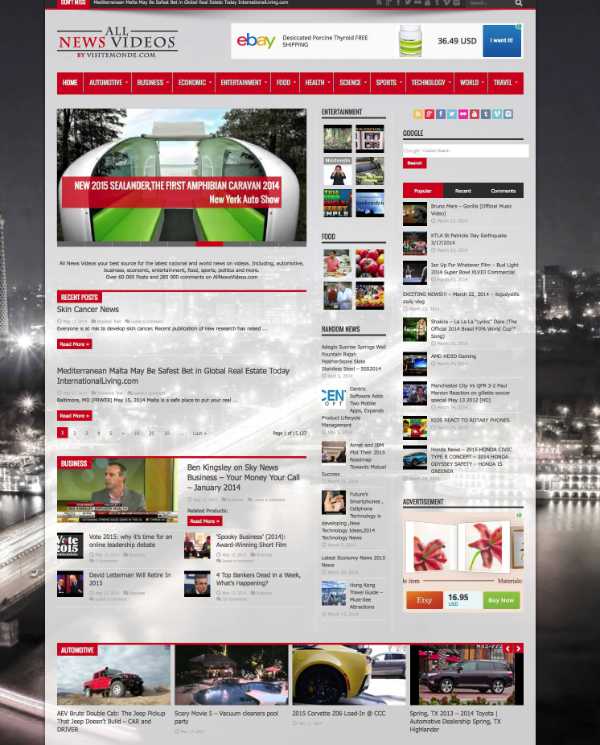
We launch All News Videos — a platform that aggregates every English-language news video online. In months it becomes unmanageable: millions of items, millions of monthly visitors after just three months. By month five, servers can't keep up and costs outrun revenue. We close the project that year — after roughly 14 million visitors in a few months.
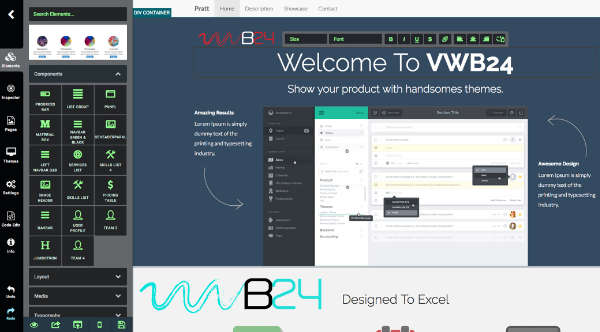
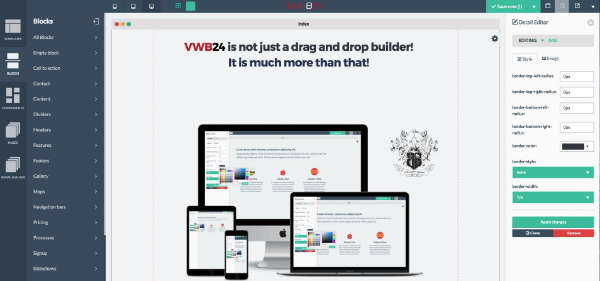
After years in advertising and web marketing, we want a platform that helps any entrepreneur sell web services to their own clients. VWB24 (Virtual Web Builder 24h) is born, built with teams in Asia and Africa. A parallel project under another name (SBPro) is later sold and becomes Groove — half a million members today.
VWB24 targets two markets: people without internet access (but with a phone), and existing communication agencies wanting to scale.
After two years on VWB24 with partners in Asia and Africa, we see real opportunity in developing markets for a new kind of online sales system. Thailand first, then the Philippines.
The system also fits developed markets, but is more expensive to deploy — so we focus on developing economies for the first few years.
After 2 years of development, the new system is ready to be presented in Thailand; an e-commerce prototype is built in Canada.
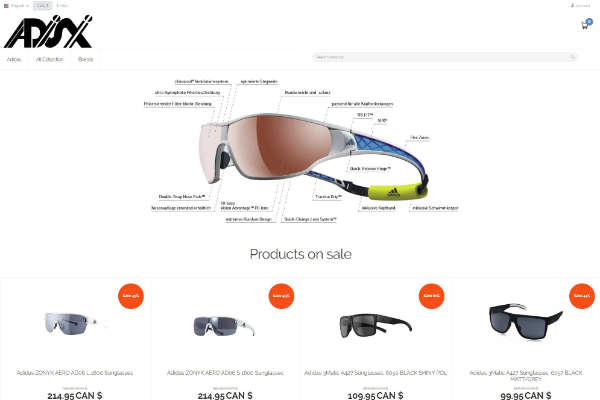
We also launch Adisix: 350+ sunglasses models, half a million dollars in inventory.
Just as we plan to fly to Asia for official launch presentations, COVID-19 closes borders worldwide. The project is paused, hoping the situation is temporary, while development continues.
By fall 2020, the project is fully on ice. The 11-person team is laid off or placed on hold for a potential future relaunch.
In spring 2021 the Adisix business is sold to a competitor.
We keep contact with all partner countries, watching for an opening to relaunch.
New projects across import/export and adjacent fields begin shaping up for 2023.
The AI revolution reshapes every project on the table. Contagieux.net pivots toward AI-focused content and education. DiLucas is working on projects that rethink human value and redefine traditional processes.
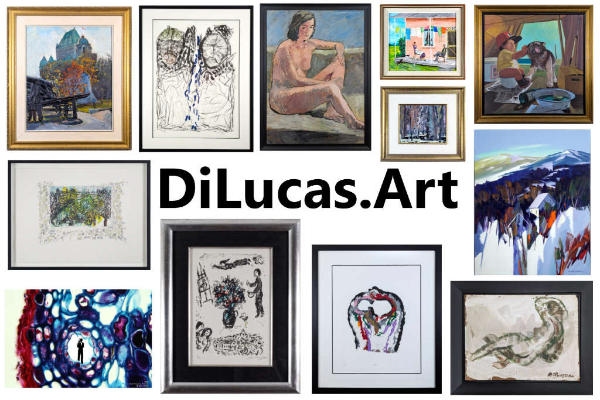
Focus shifts to dilucas.art — our marketplace dedicated to original works of art. A place to buy, sell and certify pieces, where provenance and authenticity are part of the listing rather than an afterthought. The platform pulls together everything we've learned about marketplaces and content over 25+ years.
Good. The best ones usually do.